
Riley Gray, DO
Peptides are having a moment on social media, with some people promoting them as a way to support healthy aging, improve energy or maintain a youthful appearance. But before jumping on the trend, it’s important to understand what we do and don’t know.
“Peptides are not necessarily dangerous or scary,” says Riley Gray, DO, a family medicine physician with NKC Health Primary Care - Vivion. “They just don’t have a lot of data behind them.”
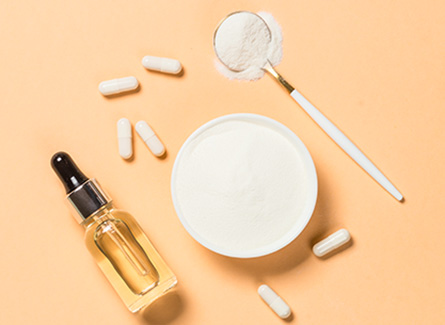
Peptides can be powders, capsules or serums and purchased online. The only problem is that many of these peptides marketed online are not FDA-approved and haven’t been studied enough to know whether they provide the benefits as advertised. There also may be questions about how they affect organs such as the liver and kidneys.
Another concern is how easily some products can be purchased online without a prescription or medical supervision. Without guidance from a healthcare provider, it can be difficult to know the appropriate dose or even whether the product contains what the label says it does.
Taking more of a product does not necessarily mean getting more benefits and could actually increase the risk of harm. Regular visits with your provider can help ensure you’re making informed choices and getting appropriate monitoring.
If you’re considering peptides for healthy aging, talk with your healthcare provider first. They can help you understand what is known about a specific product, discuss potential risks and benefits and recommend approaches supported by evidence.